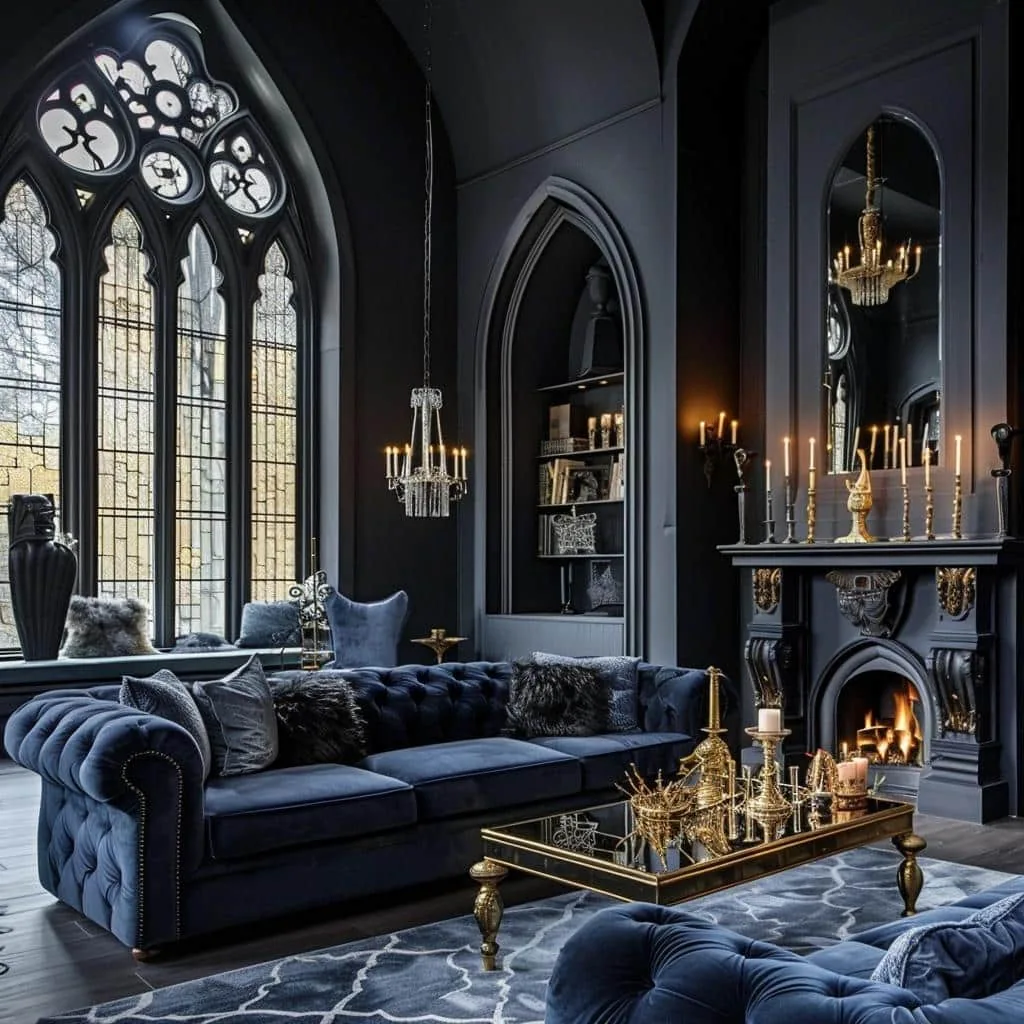

This is an editorial buying note about a style of mirror, rather than a hands-on review of a specific product. The supplied photograph illustrates the look. We have not tested or rated a retailer listing.
Scale comes first. Mark out the overall dimensions on the wall with removable tape, then compare that footprint with the size of the visible glass. A deep decorative border can make a mirror feel substantial while leaving quite a small reflective area.
Look closely at the finish. Bright yellow gold, muted brass and dark antiquing create different effects, even when the frame shape is similar. Check the listed materials and seek clear close-up photographs before choosing.
Think about what the mirror will reflect. A view into another part of the room can add depth; an awkward angle onto storage may add visual clutter. Try a smaller mirror in the proposed position to understand the sightline.
The practical details matter just as much as the front. Confirm the weight, hanging orientation and supplied fittings, and use fixings appropriate to the wall. Our preferred starting point is a manageable size with a clear material description and installation information.
What draws us in
- A strong focal point for a plain wall
- Can carry warm metal into a darker palette
- Available in a wide range of shapes and scales
Worth considering
- Ornate frames can leave less usable mirror area
- Large pieces need appropriate wall fixings
- Finish and weight vary between listings
This is sample editorial content for the local preview. Product notes are selection guidance, not claims of hands-on testing.